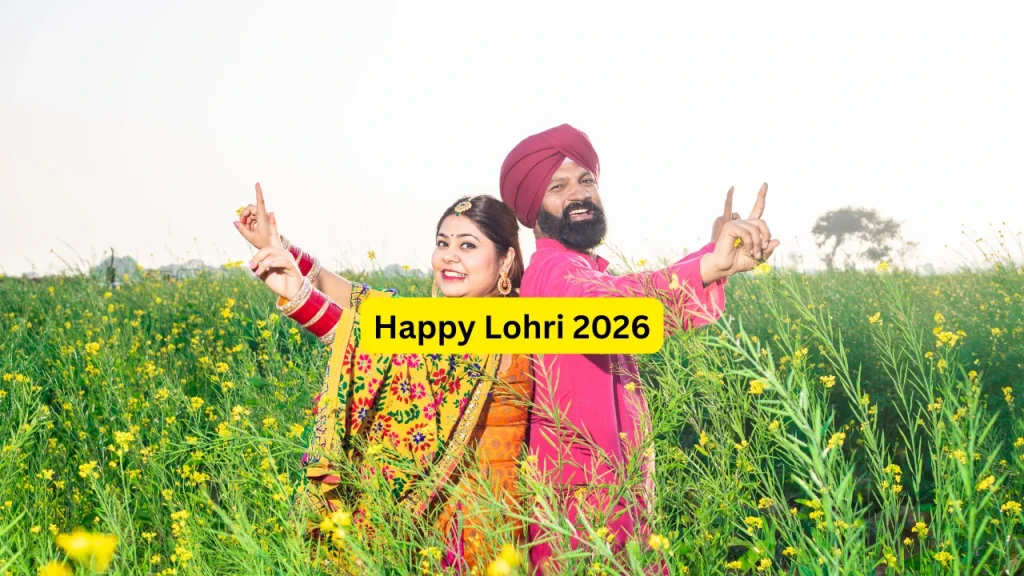

Happy Lohri 2026 Celebrated Across North India as Bonfires Mark the End of Winter.Happy Lohri 2026 is being celebrated today, January 13, with traditional bonfires, folk songs, and vibrant festivities across North India. Observed a day before Makar Sankranti, Lohri marks the end of winter and the beginning of longer, sunnier days. The festival holds deep cultural significance, especially in Punjab, Haryana, Delhi-NCR, and parts of Himachal Pradesh, where families and communities come together to welcome prosperity, warmth, and new beginnings.

This year, Lohri celebrations are witnessing renewed enthusiasm, with people sharing wishes, messages, and greetings across social media and messaging platforms, making it one of the most searched festive moments of January 2026.
Lohri 2026 at a Glance
| Detail | Information |
|---|---|
| Festival Name | Lohri |
| Date | 13 January 2026 (Tuesday) |
| Region | Punjab, Haryana, Delhi-NCR, North India |
| Significance | Harvest festival, end of winter |
| Celebrations | Bonfire, folk songs, bhangra, giddha |
| Traditional Foods | Til (sesame), jaggery, peanuts, rewari, popcorn |
Why Lohri Is Celebrated
Lohri is primarily a harvest festival associated with the rabi crop cycle. Farmers celebrate the arrival of crops like wheat and sugarcane, expressing gratitude to nature for abundance. Symbolically, Lohri represents:
- Farewell to harsh winter nights
- Hope for prosperity and growth
- Gratitude to the Sun God and Fire (Agni)
- Celebration of togetherness and community
The lighting of the bonfire is central to Lohri rituals. People gather around the fire, offer traditional items like sesame seeds, jaggery, peanuts, popcorn, and rewari, and pray for happiness and success in the coming year.
Lohri 2026 Celebrations: Traditions and Rituals
On Lohri evening, families and neighbors assemble outdoors to light a bonfire. Children sing traditional folk songs, while elders share blessings. Popular rituals include:
- Bonfire worship symbolizing positivity and purification
- Bhangra and Giddha dances to the beat of the dhol
- Offering til-gur items to the fire
- Sharing sweets and snacks with loved ones

In many households, Lohri is especially important for newlyweds and newborns, as it is considered highly auspicious.
Popular Happy Lohri 2026 Wishes to Share
People across India are sharing heartfelt wishes to spread festive cheer. Here are a few popular Lohri greetings being shared in 2026:

- “May the Lohri fire burn away all your worries and light your path with happiness and success.”
- “Wishing you warmth, prosperity, and sweet moments this Lohri.”
- “Let the festival of Lohri bring new hopes, positivity, and abundance into your life.”
- “May your life be as bright as the Lohri bonfire and as sweet as til-gur.”
These messages are widely shared on WhatsApp, Instagram, and Facebook, adding a modern touch to traditional celebrations.
Cultural Importance of Lohri in 2026
Even in today’s fast-paced digital era, Lohri continues to connect generations through tradition, music, and shared values. In 2026, the festival is also being seen as a moment of emotional connection, where families pause, celebrate togetherness, and express gratitude.
The legend of Dulla Bhatti, a Punjabi folk hero known for helping the poor, is often remembered during Lohri songs, reinforcing the festival’s message of kindness and social harmony.
FAQs for Happy Lohri 2026 Celebrated Across North India
Q1. When is Lohri celebrated in 2026?
Lohri is celebrated on 13 January 2026, one day before Makar Sankranti.
Q2. Why is a bonfire important on Lohri?
The bonfire symbolizes warmth, positivity, and the burning away of negativity, while welcoming prosperity.
Q3. Which foods are traditional on Lohri?
Til, jaggery, peanuts, popcorn, rewari, and gajak are commonly enjoyed during Lohri.
Q4. Is Lohri only celebrated in Punjab?
While most prominent in Punjab, Lohri is also widely celebrated in Haryana, Delhi-NCR, and parts of North India.
Q5. What does Lohri signify culturally?
Lohri signifies the end of winter, the harvest season, gratitude to nature, and the spirit of togetherness.